This has a great “one sentence activates everything” hook. I’d build Clause Eleven around a clearly defined prenup trigger, with the security footage proving the triggering event. Twelve hours after my wedding, my husband slapped me at his family’s breakfast table. Then he pointed at me and said, “Apologize to my mother.” Nobody moved. Not his father. Not his sister. Not the family attorney sitting three chairs away. Not even his mother, who was calmly stirring sugar into her coffee. My cheek burned. But I didn’t cry. I didn’t scream. I simply looked at Ryan. Then I slowly removed my wedding ring. I placed it beside my plate. His mother frowned. “What are you doing?” I looked at her. “Reading the room.” Ryan laughed. “You’re being dramatic.” “No,” I said quietly. “I’m being careful.” His mother leaned forward. “You need to calm down before you make this worse.” Then she said something I’ll never forget. “Your accounts should be frozen until you regain control of yourself.” I almost smiled. Because she had forgotten one thing. The security camera. It was mounted above the archway between the dining room and kitchen. Everyone knew it was there. Nobody thought about it. Except me. And my attorney. Because before I married Ryan Harrington, I had insisted on a very specific prenuptial agreement. Clause Eleven. It wasn’t about infidelity. It wasn’t about divorce. It wasn’t even about money in the traditional sense. It addressed **physical abuse, coercive financial control, and interference with protected assets.** If Ryan physically assaulted me and the incident was documented by independent evidence, certain protections in the prenup would immediately take effect. His access to designated marital accounts could be restricted. Certain family-controlled trusts would become inaccessible to him. And assets transferred to him after the marriage could be subject to a predetermined reversion mechanism, depending on the applicable legal process. Ryan knew the prenup existed. His family knew it existed. But they had never actually read the entire document. They assumed it was just another piece of paperwork wealthy families used before weddings. They were wrong. I picked up my phone. Ryan frowned. “What are you doing?” I pressed one button. Then I said, **“Activate Clause Eleven.”** His smile disappeared. His mother stopped stirring her coffee. “What did you just say?” I looked directly at her. “You heard me.” Ryan stood. “Don’t threaten me.” “I didn’t.” I turned toward the camera. “I documented the incident.” His father finally spoke. “Everyone needs to calm down.” I looked at him. “Your son struck me.” Ryan immediately shouted, “I barely touched her!” I didn’t respond. Because that sentence was already being recorded. My attorney’s office received the security footage within minutes. Then the family attorney’s phone rang. He answered. His expression changed. He listened. Then he looked at Ryan. “Mr. Harrington…” Ryan snapped, “What?” “You need to stop talking.” Ryan stared at him. “Why?” “Because Clause Eleven has been invoked.” His mother stood up. “This is absurd.” The attorney shook his head. “No. What’s absurd is that you apparently didn’t understand the agreement you signed as a witness.” She froze. Ryan looked at me. “You planned this?” I shook my head. “No.” “Then why was your attorney prepared?” “Because I prepared for marriage.” I picked up my wedding ring. “And apparently I needed to prepare for you.” Ryan’s father slammed his hand against the table. “This family has handled problems privately for generations.” I looked at him. “That’s probably why they kept happening.” Nobody answered. Within an hour, my attorney arrived. She brought the original prenup. Every page had been reviewed. Every signature was there. And Clause Eleven was unmistakable. The triggering event wasn’t an accusation. It wasn’t a rumor. It wasn’t a threat. It required documented physical misconduct. We had that. The camera footage showed exactly what happened. Ryan had struck me. Then ordered me to apologize. Then attempted to intimidate me into surrendering financial control. His mother had demanded that my accounts be frozen. His father had attempted to pressure me into handling the matter privately. The footage had captured all of it. My attorney placed the agreement on the table. “Ryan, your wife did not activate this clause because she wants revenge.” She pointed to the document. “She activated it because you triggered it.” Ryan looked at his mother. She looked away. For the first time that morning, I saw fear on her face. Not fear for me. Fear of consequences. By afternoon, the legal process had begun. The accounts covered by the prenup were restricted according to its terms. Certain transfers were halted. Ryan’s access to specific family-controlled assets was suspended pending review. And his attorneys immediately began trying to negotiate. I didn’t care about winning a fight. I wanted out. My attorney asked me, “Do you want to pursue the full remedies available under the agreement?” I thought about the breakfast table. The slap. The silence. His mother’s demand. The way everyone had watched as though humiliating me was simply part of their family tradition. “Yes,” I said. “Then we’ll proceed.” The next few weeks were brutal. Ryan’s family tried everything. They called me ungrateful. They said I had embarrassed them. His mother claimed I had deliberately provoked him. Ryan claimed the slap was an accident. But the footage told a different story. There was no ambiguity. No misunderstanding. No missing context. Just a man striking his wife twelve hours after their wedding. And then demanding that she apologize. Eventually, Ryan’s attorneys proposed a settlement. My attorney reviewed it with me. The financial terms were significant. But there was one thing I wanted more than money. A clean separation. I refused to sign anything that required me to stay silent about what happened to me. We negotiated. Months later, our marriage was legally dissolved. The prenup was enforced according to its applicable terms. Some disputed assets were resolved through settlement rather than litigation. And I walked away with my finances protected and my life entirely separate from the Harrington family. I never wore that wedding ring again. I kept it, though. Not because I wanted a reminder of Ryan. Because it reminded me of the woman I had been twelve hours earlier. She had walked into that house believing marriage meant becoming part of a family. The woman who walked out understood something very different. Marriage does not give anyone the right to control you. Money does not give anyone the right to hurt you. And family tradition does not turn abuse into something you are required to tolerate. Years later, someone asked me why I had stayed so calm after Ryan slapped me. I thought about it. Then I answered, “Because I knew the difference between losing my temper and losing myself.” I had lost the marriage. But I had not lost myself. And that morning, when I placed my wedding ring beside my plate and said, **“Activate Clause Eleven,”** I wasn’t declaring war. I was drawing a line. And for the first time, everyone at that table understood that the quietest person in the room wasn’t the weakest. She was the one who had already prepared to leave. **Caption:** Twelve hours after my wedding, my husband slapped me and ordered me to apologize to his mother. They thought I would cry, but I simply removed my ring, activated Clause Eleven, and let the security footage speak for itself.
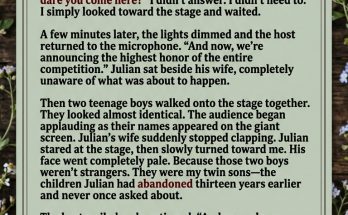
Twelve hours after my wedding, my husband slapped me at his family’s breakfast table.

Then he pointed at me and said,

“Apologize to my mother.”

Nobody moved.

Not his father.

Not his sister.

Not the family attorney sitting three chairs away.

Not even his mother, who was calmly stirring sugar into her coffee.

My cheek burned.

But I didn’t cry.

I didn’t scream.

I simply looked at Ryan.

Then I slowly removed my wedding ring.

I placed it beside my plate.

His mother frowned.

“What are you doing?”

I looked at her.

“Reading the room.”

Ryan laughed.

“You’re being dramatic.”

“No,” I said quietly. “I’m being careful.”

His mother leaned forward.

“You need to calm down before you make this worse.”

Then she said something I’ll never forget.

“Your accounts should be frozen until you regain control of yourself.”

I almost smiled.

Because she had forgotten one thing.

The security camera.

It was mounted above the archway between the dining room and kitchen.

Everyone knew it was there.

Nobody thought about it.

Except me.

And my attorney.

Because before I married Ryan Harrington, I had insisted on a very specific prenuptial agreement.

Clause Eleven.

It wasn’t about infidelity.

It wasn’t about divorce.

It wasn’t even about money in the traditional sense.

It addressed physical abuse, coercive financial control, and interference with protected assets.

If Ryan physically assaulted me and the incident was documented by independent evidence, certain protections in the prenup would immediately take effect.

His access to designated marital accounts could be restricted.

Certain family-controlled trusts would become inaccessible to him.

And assets transferred to him after the marriage could be subject to a predetermined reversion mechanism, depending on the applicable legal process.

Ryan knew the prenup existed.

His family knew it existed.

But they had never actually read the entire document.

They assumed it was just another piece of paperwork wealthy families used before weddings.

They were wrong.

I picked up my phone.

Ryan frowned.

“What are you doing?”

I pressed one button.

Then I said,

“Activate Clause Eleven.”

His smile disappeared.

His mother stopped stirring her coffee.

“What did you just say?”

I looked directly at her.

“You heard me.”

Ryan stood.

“Don’t threaten me.”

“I didn’t.”

I turned toward the camera.

“I documented the incident.”

His father finally spoke.

“Everyone needs to calm down.”

I looked at him.

“Your son struck me.”

Ryan immediately shouted,

“I barely touched her!”

I didn’t respond.

Because that sentence was already being recorded.

My attorney’s office received the security footage within minutes.

Then the family attorney’s phone rang.

He answered.

His expression changed.

He listened.

Then he looked at Ryan.

“Mr. Harrington…”

Ryan snapped,

“What?”

“You need to stop talking.”

Ryan stared at him.

“Why?”

“Because Clause Eleven has been invoked.”

His mother stood up.

“This is absurd.”

The attorney shook his head.

“No. What’s absurd is that you apparently didn’t understand the agreement you signed as a witness.”

She froze.

Ryan looked at me.

“You planned this?”

I shook my head.

“No.”

“Then why was your attorney prepared?”

“Because I prepared for marriage.”

I picked up my wedding ring.

“And apparently I needed to prepare for you.”

Ryan’s father slammed his hand against the table.

“This family has handled problems privately for generations.”

I looked at him.

“That’s probably why they kept happening.”

Nobody answered.

Within an hour, my attorney arrived.

She brought the original prenup.

Every page had been reviewed.

Every signature was there.

And Clause Eleven was unmistakable.

The triggering event wasn’t an accusation.

It wasn’t a rumor.

It wasn’t a threat.

It required documented physical misconduct.

We had that.

The camera footage showed exactly what happened.

Ryan had struck me.

Then ordered me to apologize.

Then attempted to intimidate me into surrendering financial control.

His mother had demanded that my accounts be frozen.

His father had attempted to pressure me into handling the matter privately.

The footage had captured all of it.

My attorney placed the agreement on the table.

“Ryan, your wife did not activate this clause because she wants revenge.”

She pointed to the document.

“She activated it because you triggered it.”

Ryan looked at his mother.

She looked away.

For the first time that morning, I saw fear on her face.

Not fear for me.

Fear of consequences.

By afternoon, the legal process had begun.

The accounts covered by the prenup were restricted according to its terms.

Certain transfers were halted.

Ryan’s access to specific family-controlled assets was suspended pending review.

And his attorneys immediately began trying to negotiate.

I didn’t care about winning a fight.

I wanted out.

My attorney asked me,

“Do you want to pursue the full remedies available under the agreement?”

I thought about the breakfast table.

The slap.

The silence.

His mother’s demand.

The way everyone had watched as though humiliating me was simply part of their family tradition.

“Yes,” I said.

“Then we’ll proceed.”

The next few weeks were brutal.

Ryan’s family tried everything.

They called me ungrateful.

They said I had embarrassed them.

His mother claimed I had deliberately provoked him.

Ryan claimed the slap was an accident.

But the footage told a different story.

There was no ambiguity.

No misunderstanding.

No missing context.

Just a man striking his wife twelve hours after their wedding.

And then demanding that she apologize.

Eventually, Ryan’s attorneys proposed a settlement.

My attorney reviewed it with me.

The financial terms were significant.

But there was one thing I wanted more than money.

A clean separation.

I refused to sign anything that required me to stay silent about what happened to me.

We negotiated.

Months later, our marriage was legally dissolved.

The prenup was enforced according to its applicable terms.

Some disputed assets were resolved through settlement rather than litigation.

And I walked away with my finances protected and my life entirely separate from the Harrington family.

I never wore that wedding ring again.

I kept it, though.

Not because I wanted a reminder of Ryan.

Because it reminded me of the woman I had been twelve hours earlier.

She had walked into that house believing marriage meant becoming part of a family.

The woman who walked out understood something very different.

Marriage does not give anyone the right to control you.

Money does not give anyone the right to hurt you.

And family tradition does not turn abuse into something you are required to tolerate.

Years later, someone asked me why I had stayed so calm after Ryan slapped me.

I thought about it.

Then I answered,

“Because I knew the difference between losing my temper and losing myself.”

I had lost the marriage.

But I had not lost myself.

And that morning, when I placed my wedding ring beside my plate and said,

“Activate Clause Eleven,”

I wasn’t declaring war.

I was drawing a line.

And for the first time, everyone at that table understood that the quietest person in the room wasn’t the weakest.

She was the one who had already prepared to leave.
Leave a Reply

Your email address will not be published. Required fields are marked *